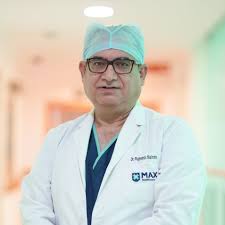


When someone living with advanced heart disease begins struggling with everyday activities despite medication and repeated hospital visits, the entire family can feel uncertain about what comes next. Walking across a room, sleeping comfortably, or completing simple household tasks may become increasingly difficult. In carefully selected cases, heart transplant surgery in Green Park may be considered as a treatment option when other therapies can no longer adequately manage severe heart failure.
A heart transplant involves replacing a patient's diseased heart with a healthy donor heart. It is a complex procedure that requires detailed medical evaluation, careful donor matching, specialised surgical facilities, and lifelong follow-up. Understanding the process can help patients and their families prepare for discussions with a heart failure and transplant team.
Heart transplantation is an advanced treatment for selected patients with end-stage heart disease. It may be considered when the heart can no longer pump enough blood to meet the body's needs and other available treatments are unlikely to provide sufficient benefit.
Several conditions can eventually lead to severe heart failure, including:
Cardiomyopathy: Disease of the heart muscle that weakens its pumping ability.
Advanced coronary artery disease: Severe damage to the heart muscle caused by reduced blood supply.
Complex congenital heart disease: Certain heart abnormalities present from birth that lead to serious complications.
Severe heart valve disease: Advanced valve problems that have caused significant and potentially irreversible heart dysfunction.
Repeatedly worsening heart failure: Symptoms that persist despite appropriate medication and other treatments.
A diagnosis of heart failure does not automatically mean a transplant is necessary. Many patients can be managed with medication, implanted devices, surgery, or other specialist treatments.
A transplant team may consider this option when a patient has severe heart failure, frequent hospital admissions, significant limitations in daily activities, or symptoms that continue despite optimised medical treatment.
The evaluation usually involves cardiologists, transplant surgeons, specialist nurses, anaesthesiologists, and other healthcare professionals. Their goal is to determine whether transplantation is likely to provide meaningful benefits and whether the patient can safely undergo the procedure and follow the treatment plan afterward.
The assessment may include an examination of heart function, kidney and liver health, lung function, nutritional status, infection risk, and other medical conditions. The team may also assess emotional well-being, family support, and the practical ability to attend lifelong follow-up appointments.
Certain medical conditions can make transplantation unsafe or require treatment before a patient can be considered eligible.
Heart transplant surgery takes place under general anaesthesia in a specialised operating theatre. The surgical team removes the diseased heart and connects the donor heart to the major blood vessels so that circulation can be restored.
During the procedure, the team carefully monitors the patient's circulation and organ function. After the new heart begins functioning adequately, the patient is transferred to an intensive care unit for close observation.
The operation itself is only one stage of the treatment journey. Careful preparation, infection prevention, medication management, and regular monitoring are equally important to the overall outcome.
Before surgery, patients undergo extensive testing to determine their suitability. Blood group compatibility, tissue characteristics, the size of the donor heart, and other clinical factors help guide donor matching.
Because donor hearts are limited, eligible patients may need to wait until a suitable organ becomes available. Waiting times vary and cannot be predicted reliably for an individual patient.
During this period, the medical team continues to manage heart failure and monitor changes in the patient's condition. Some patients may need additional treatments, including mechanical circulatory support, to help maintain blood circulation.
Families should discuss the transplant process, waiting-list arrangements, potential risks, and available support services directly with the treating centre.
Recovery begins in the intensive care unit and continues through hospital care, rehabilitation, and outpatient follow-up. The length of hospitalisation and recovery varies according to the patient's condition before surgery and the presence of complications.
After discharge, patients generally need to:
Take prescribed immunosuppressant medicines to reduce the risk of organ rejection.
Attend regular appointments and undergo recommended blood tests and heart assessments.
Follow infection-prevention guidance.
Maintain a balanced diet and gradually increase physical activity as advised.
Monitor for symptoms that could indicate infection, rejection, or other complications.
Immunosuppressant medicines are essential but can increase susceptibility to infections and cause other side effects. Patients should never change their medication doses without consulting their transplant team.
Heart transplantation carries significant risks, including bleeding, infection, organ rejection, kidney complications, and side effects from long-term medication. Some complications can occur early, while others may develop months or years later.
Regular monitoring allows the medical team to identify problems and adjust treatment when necessary. Patients also need guidance regarding vaccinations, dental care, exercise, nutrition, and managing blood pressure and cholesterol.
Although transplantation can improve quality of life for appropriately selected patients, outcomes vary. The treating team is best placed to explain the likely benefits and risks for an individual case.
When researching heart transplant surgery in Green Park, look for a centre with an established transplant programme, qualified transplant surgeons, advanced intensive care facilities, experienced transplant cardiologists, and reliable long-term follow-up services.
Ask about eligibility assessments, donor allocation procedures, rehabilitation, medication costs, and emergency support after discharge. Clear communication helps patients and families understand the responsibilities involved in transplantation.
Patients with advanced heart disease may be considered after a detailed evaluation. Eligibility depends on the severity of the condition, overall health, other medical problems, and the likelihood of benefiting from transplantation.
Recovery varies. Patients typically require hospital care followed by several weeks or months of rehabilitation and monitoring. Long-term medical follow-up continues throughout life.
Yes. Immunosuppressant medicines are generally required lifelong to help prevent the immune system from rejecting the donor heart.
Heart transplant surgery in Green Park may be an important treatment consideration for carefully selected patients with advanced heart failure. A detailed specialist evaluation helps determine whether transplantation or another advanced therapy is appropriate. With suitable donor matching, expert surgical care, medication adherence, and lifelong follow-up, patients can work toward better function and quality of life.
| Tags: | #Heart Transplant Surgery in Chattarpur, # Heart Transplant Surgery in Green Park, # Heart Transplant Surgery in Greater Kailash, # Heart Transplant Surgery in Panchsheel Park |