

:A 68-year-old retired banker from South Delhi walked into our clinic carrying a file nearly two inches thick. He had diabetes, high blood pressure, kidney disease, and severe coronary artery blockages. Several people had told him he was "too risky" for surgery.
Naturally, he was frightened.
After a detailed evaluation by an experienced cardiac team, a carefully planned surgical approach was recommended. Months later, he was back to his morning walks and spending quality time with his family.
This is an important reminder: being a high-risk patient does not automatically mean treatment isn't possible.
If you've been advised to explore High Risk Cardiovascular Surgery in Sheikh Sarai, understanding your options could make a significant difference in your health and future quality of life.
High-risk cardiovascular surgery refers to complex heart procedures performed on patients who have additional medical conditions or factors that increase surgical complexity.
These patients often require specialized planning, advanced monitoring, and highly experienced surgical teams.
Common factors that may make a surgery high-risk include:
Older patients often require more comprehensive evaluation before surgery.
Conditions such as diabetes, kidney disease, or lung disorders can increase complexity.
Extensive blockages affecting multiple heart vessels.
Repeat procedures are often more challenging than first-time surgeries.
A weakened heart may require specialized treatment strategies.
Many high-risk patients delay treatment because they fear surgery more than the disease itself.
Unfortunately, waiting can sometimes make the situation worse.
You should seek expert evaluation if you experience:
Especially if it occurs during activity or stress.
Difficulty breathing even during routine tasks.
Repeated admissions for heart-related symptoms.
Ongoing exhaustion that limits daily activities.
Patients with advanced coronary artery disease or valve disorders should seek timely consultation.
Many people assume that avoiding surgery is always the safer choice.
In reality, that isn't always true.
For some high-risk patients, the risk of leaving a serious heart condition untreated may be greater than the risk of surgery itself.
We've seen patients spend years avoiding procedures only to face emergency situations that could have been prevented through earlier intervention.
The safest path is often the one based on expert evaluation—not fear.
One of our clients from Sheikh Sarai had severe coronary artery disease, diabetes, and a history of kidney problems.
Because of his medical profile, he believed surgery was impossible.
After detailed planning and careful risk assessment, he successfully underwent treatment.
Today, he reports improved stamina, fewer symptoms, and a much better quality of life.
His case highlights why every high-risk patient deserves a thorough specialist evaluation.
Patients searching for High Risk Cardiovascular Surgery in Sheikh Sarai often require expertise in several advanced procedures.
Restoring blood flow around severely blocked arteries.
Repairing or replacing damaged valves in medically challenging patients.
Advanced treatment for patients who have undergone previous heart procedures.
Managing life-threatening conditions affecting the body's main artery.
Addressing multiple heart problems during a single operation.
Specialized treatment for patients with significantly weakened heart function.
According to cardiovascular research published in 2024, improvements in surgical technology, anesthesia, and intensive care have significantly increased the success rates of complex cardiac procedures, even among patients previously considered extremely high-risk.
Experts continue to emphasize that individualized treatment planning is one of the biggest factors influencing successful outcomes.
When considering High Risk Cardiovascular Surgery in Sheikh Sarai, choosing an experienced specialist is critical.
Look for a surgeon who:
Regularly manages high-risk cardiac patients
Has expertise in complex cardiovascular procedures
Works with a multidisciplinary care team
Utilizes advanced surgical technologies
Provides transparent discussions about risks and benefits
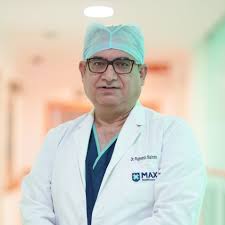
Many patients seeking advanced cardiovascular care also consult experienced specialists such as Dr Rajneesh Malhotra, known for handling complex cardio thoracic and high-risk cardiac surgeries.
A high-risk cardiac assessment typically includes:
Detailed medical history review
Physical examination
Echocardiography
Coronary angiography review
Kidney and lung function testing
Comprehensive surgical risk assessment
This evaluation helps determine the safest and most effective treatment plan.
In some cases, surgery may proceed directly. In others, medical conditions may first be optimized to improve outcomes.
Patients often seek specialized cardiac care because these centers offer advanced diagnostics, experienced surgeons, dedicated intensive care facilities, and coordinated rehabilitation programs.
This comprehensive approach is especially important for individuals facing complex cardiovascular conditions.
Factors such as advanced age, severe heart disease, diabetes, kidney disorders, reduced heart function, and previous surgeries can increase surgical complexity.
Yes. Many high-risk patients successfully undergo treatment when managed by experienced cardiac teams using modern surgical techniques.
Absolutely. A second opinion can help you better understand your condition, treatment options, and expected outcomes.
If you or a loved one has been diagnosed with a complex heart condition and told that surgery may be high-risk, don't assume treatment is out of reach.
Schedule a consultation with an experienced cardiac specialist today and explore the options available to help improve your heart health, quality of life, and long-term well-being.