

A 62-year-old patient recently visited our cardiac team after being turned away by several hospitals because of his complicated medical history. He had diabetes, high blood pressure, kidney issues, and severe coronary artery disease. Understandably, he was worried when he heard the words "high-risk surgery."
What he learned was that being high-risk does not automatically mean surgery is impossible.
With proper planning, experienced surgeons, and advanced cardiac care, many high-risk patients successfully undergo treatment and return to a better quality of life.
If you or a loved one has been advised to consider High Risk Cardiovascular Surgery in Sheikh Sarai, understanding when to seek specialized care can help you make informed decisions.
High-risk cardiovascular surgery refers to cardiac procedures performed on patients who have additional medical challenges that increase surgical complexity.
These factors may include:
Advanced age
Severe heart disease
Diabetes
Kidney disorders
Previous heart surgeries
Reduced heart function
Multiple blocked arteries
Complex valve disorders
While these conditions can increase risk, they do not necessarily prevent successful treatment.
The key is having an experienced cardio thoracic team that specializes in managing complicated cardiac cases.
Many patients wait until symptoms become severe because they fear surgery.
Unfortunately, delaying treatment can sometimes create even greater risks.
You should seek expert evaluation if you experience:
Recurring chest discomfort can signal reduced blood flow to the heart.
Difficulty breathing during routine activities may indicate advanced heart disease.
Frequent hospital visits often suggest the condition is worsening.
If daily activities become increasingly difficult, your heart may need further evaluation.
Patients already diagnosed with severe coronary artery disease or valve problems should seek specialist guidance promptly.
One of the biggest myths we encounter is:
"If I'm considered high-risk, surgery is too dangerous."
This isn't always true.
In many cases, the risk of avoiding treatment can be greater than the risk of surgery itself. Modern cardiac care allows specialists to carefully assess each patient and create individualized treatment strategies.
The decision should always be based on expert evaluation—not fear alone.
One of our clients from South Delhi had severe triple-vessel coronary artery disease and diabetes. He was hesitant to proceed because he believed surgery would be too risky.
After a detailed assessment and treatment plan, surgery was successfully performed.
Within months, he reported better stamina, fewer symptoms, and a significant improvement in daily life.
His case demonstrates that high-risk patients often benefit from timely intervention rather than prolonged delay.
Patients seeking High Risk Cardiovascular Surgery in Sheikh Sarai often require advanced procedures such as:
Treatment for multiple blocked coronary arteries.
Repairing or replacing damaged heart valves.
Specialized procedures for patients who have undergone previous heart operations.
Managing aneurysms and other serious aortic conditions.
Treating multiple heart problems during a single surgery.
Surgical options for patients with severely weakened heart function.
According to cardiovascular research published during 2024, cardiovascular disease remains one of the leading causes of death worldwide. However, improvements in surgical techniques, perioperative care, and cardiac monitoring have significantly improved outcomes even among high-risk patients.
Experts continue to emphasize that early referral to specialized cardiac centers can improve both treatment options and recovery outcomes.
Not every surgeon routinely handles complex cardiovascular cases.
When considering High Risk Cardiovascular Surgery in Sheikh Sarai, look for a specialist who:
Has extensive experience with high-risk patients
Performs advanced cardiac procedures regularly
Works within a multidisciplinary cardiac team
Utilizes modern surgical technologies
Offers personalized treatment planning
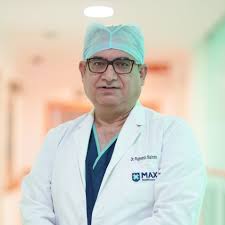
Many patients seeking advanced cardiac treatment also consult specialists such as Dr Rajneesh Malhotra, recognized for his expertise in handling complex cardio thoracic and cardiovascular surgeries.
Your cardiac team may perform:
Detailed medical history review
Cardiac imaging
Echocardiography
Coronary angiography assessment
Kidney and lung function evaluation
Risk assessment planning
This comprehensive approach helps determine the safest and most effective treatment strategy.
In some situations, surgery may proceed immediately. In others, additional optimization may be recommended before treatment.
Patients often choose specialized cardiac centers because they provide access to advanced diagnostics, experienced surgeons, dedicated intensive care units, and coordinated rehabilitation programs.
This level of expertise becomes especially important when dealing with complex or high-risk heart conditions.
Factors such as advanced age, multiple medical conditions, reduced heart function, previous surgeries, and complex heart disease can increase surgical risk.
Many elderly patients successfully undergo cardiac procedures when evaluated and managed by experienced specialists.
Yes. Seeking a second opinion can help patients better understand their condition, treatment options, and potential outcomes.
If you have been diagnosed with severe heart disease or have been told that you may require a high-risk cardiac procedure, don't delay seeking expert guidance.
Schedule a consultation with an experienced cardio thoracic specialist today and explore the safest treatment options available for your condition.