

A 61-year-old woman from South Delhi came to our clinic complaining of breathlessness that had gradually worsened over two years. She had stopped taking evening walks, avoided stairs, and felt exhausted after simple household tasks.
Like many people, she assumed it was simply part of getting older.
After a detailed cardiac evaluation, doctors discovered severe heart valve disease that required surgical treatment. Following a successful procedure, she was able to return to her normal routine with significantly improved energy levels.
Cases like this are why understanding Heart Valve Replacement Surgery in Vasant Vihar is so important. Heart valve problems often develop slowly, making them easy to overlook until they begin affecting daily life.
The heart contains four valves that control the direction of blood flow.
When one or more valves become damaged, narrowed, or leaky, the heart must work harder to pump blood throughout the body.
Heart valve replacement surgery involves replacing the damaged valve with an artificial or biological valve to restore healthy blood flow and improve heart function.
For many patients, this procedure can dramatically improve symptoms and quality of life.
Patients seeking Heart Valve Replacement Surgery in Vasant Vihar are often diagnosed with conditions such as:
A narrowing of the aortic valve that restricts blood flow from the heart.
A condition where the mitral valve leaks, allowing blood to flow backward.
Age-related calcium buildup that affects valve movement.
Valve damage caused by previous rheumatic fever.
Valve abnormalities present since birth.
Heart valve disease often progresses gradually.
You should consider consulting a specialist if you experience:
Especially during routine activities.
Pressure, tightness, or pain in the chest.
Feeling unusually tired throughout the day.
Particularly during physical activity.
A common sign of worsening heart function.
Palpitations or abnormal heart rhythms.
One of the most common misconceptions is that surgery should only be considered once symptoms become severe.
In reality, waiting too long can sometimes lead to permanent heart damage.
Many cardiac specialists now recommend evaluating valve conditions before symptoms become disabling. Early intervention often provides better long-term outcomes and may reduce future complications.
The goal is not simply to treat symptoms—it is to protect heart function before significant damage occurs.
One of our clients from Vasant Vihar had been managing fatigue and mild breathlessness for years.
He continued postponing specialist consultations because his symptoms seemed manageable.
During a routine checkup, severe aortic valve disease was identified. Surgery was performed before irreversible heart damage occurred.
Today, he enjoys an active lifestyle and reports feeling healthier than he had in years.
His story demonstrates the value of early diagnosis.
Patients exploring Heart Valve Replacement Surgery in Vasant Vihar often benefit from access to multiple cardiac specialties.
Preserving the patient's natural valve whenever possible.
Replacing severely damaged valves with artificial or biological alternatives.
Selected patients may qualify for smaller-incision procedures.
Treatment for patients with multiple valve disorders.
Advanced surgery for patients who have undergone previous valve operations.
Integrated treatment involving surgeons, cardiologists, and rehabilitation specialists.
According to cardiovascular reports released in 2024, heart valve disease continues to affect millions of people globally, particularly among aging populations. Advances in surgical techniques, valve technology, and postoperative care have significantly improved patient outcomes and long-term survival.
Experts continue to stress the importance of early diagnosis and timely intervention.
When considering Heart Valve Replacement Surgery in Vasant Vihar, experience matters.
Look for a surgeon who:
Regularly performs valve procedures
Has expertise in complex cardiac surgery
Utilizes advanced diagnostic and surgical technology
Provides clear communication and guidance
Works within a multidisciplinary cardiac team
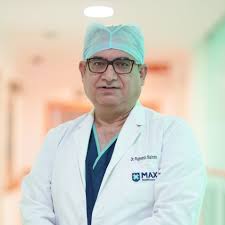
Many patients seeking advanced cardiac treatment also consult experienced specialists such as Dr Rajneesh Malhotra, known for managing complex cardio thoracic and cardiovascular cases.
A comprehensive assessment typically includes:
Medical history review
Physical examination
Echocardiography
ECG testing
Blood investigations
Additional imaging when required
Based on the findings, your surgeon will determine whether monitoring, medication, repair, or replacement is the most appropriate treatment option.
Patients often prefer specialized cardiac centers because they provide advanced diagnostics, experienced surgeons, dedicated cardiac teams, and structured rehabilitation support.
This comprehensive approach helps ensure safe treatment and better recovery outcomes.
A specialist may recommend surgery when a valve becomes severely narrowed, damaged, or leaky and begins affecting heart function.
Yes, it is a major cardiac procedure, but advances in modern cardiac care have made it significantly safer and more effective.
Recovery varies depending on the patient and procedure, but many people gradually return to normal activities within a few weeks to several months.
If you're experiencing breathlessness, fatigue, chest discomfort, or have been diagnosed with a heart valve condition, don't wait for symptoms to become severe.
Schedule a consultation with an experienced cardio thoracic specialist today and explore the treatment options available to protect your heart health and improve your quality of life.