

A 67-year-old retired teacher from South Delhi had been living with diabetes, high blood pressure, and severe heart disease for years. When doctors informed him that he might need heart surgery, his immediate reaction was fear.
He believed his age and medical conditions automatically made surgery too dangerous.
After consulting a specialized cardiac team, he learned that modern cardiovascular care has evolved significantly. Following careful evaluation and planning, he successfully underwent treatment and returned to many of his normal daily activities.
His story reflects a common misconception among patients. Being high-risk does not necessarily mean treatment is impossible.
If you're researching High Risk Cardiovascular Surgery in Chirag Delhi, understanding your options can help you make informed decisions about your heart health.
High-risk cardiovascular surgery refers to advanced cardiac procedures performed on patients who have additional medical conditions or factors that increase surgical complexity.
These patients often require highly specialized care, detailed planning, and close monitoring before, during, and after surgery.
Factors that may classify a patient as high-risk include:
Older patients often require additional assessment and preparation.
Diabetes, kidney disease, lung disorders, and hypertension can increase complexity.
Extensive blockages affecting multiple arteries.
Repeat operations may be more technically challenging.
A weakened heart requires specialized management.
Many patients delay evaluation because they fear receiving bad news.
Unfortunately, postponing treatment can sometimes increase risk.
You should seek specialist advice if you experience:
Especially during activity or emotional stress.
Difficulty breathing during routine activities.
Feeling exhausted despite adequate rest.
Repeated cardiac-related hospitalizations.
A common sign of worsening heart function.
Difficulty performing everyday tasks.
One of the most common beliefs among high-risk patients is:
"I'm too sick for surgery."
In reality, the opposite is sometimes true.
We've seen patients avoid treatment because they feared surgical risks, only to experience worsening heart disease that ultimately posed a greater threat.
Modern cardiovascular surgery focuses on balancing risks and benefits carefully.
For many patients, the risk of not treating a serious heart condition can be higher than the risk of surgery itself.
That's why individualized evaluation is so important.
One of our clients from Chirag Delhi had severe coronary artery disease, diabetes, and reduced heart function.
He assumed surgery would not be an option due to his medical history.
After comprehensive assessment and preparation, he underwent treatment successfully.
Today, he enjoys improved stamina, fewer symptoms, and a significantly better quality of life.
His experience demonstrates why every high-risk patient deserves a thorough specialist evaluation.
Patients considering High Risk Cardiovascular Surgery in Chirag Delhi often require expertise in several advanced treatment areas.
Creating alternate pathways around blocked arteries.
Repairing or replacing severely damaged valves.
Advanced procedures for patients with previous heart operations.
Treatment of aneurysms and serious aortic conditions.
Addressing multiple heart problems during a single operation.
Specialized treatment for patients with significantly weakened heart function.
According to cardiovascular research published in 2024, advances in cardiac surgery, anesthesia, and intensive care have significantly improved outcomes for patients once considered extremely high-risk.
Medical experts continue to emphasize that early referral to experienced cardiac centers can improve both treatment options and long-term outcomes.
This is particularly important for patients with multiple health conditions.
When looking for High Risk Cardiovascular Surgery in Chirag Delhi, experience should be one of your top priorities.
Look for a surgeon who:
Regularly manages high-risk cardiac cases
Has expertise in complex cardiovascular procedures
Works within a multidisciplinary care team
Utilizes advanced surgical technology
Provides individualized treatment planning
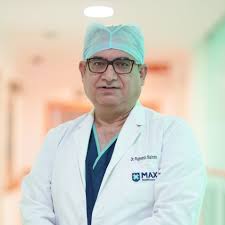
Many patients seeking advanced cardiac care also consult experienced specialists such as Dr Rajneesh Malhotra, known for handling complex cardio thoracic and high-risk cardiovascular surgeries.
A high-risk cardiac assessment typically includes:
Medical history review
Physical examination
Echocardiography
ECG testing
Coronary angiography review
Kidney and lung function testing
Comprehensive surgical risk assessment
These investigations help determine the safest and most effective treatment strategy.
Not every patient requires immediate surgery. Some may benefit from additional medical optimization before proceeding.
Patients often choose specialized cardiac centers because they provide advanced diagnostics, experienced surgical teams, dedicated intensive care support, and comprehensive rehabilitation programs.
This integrated approach is especially valuable for patients facing complex cardiovascular challenges.
Factors such as advanced age, multiple medical conditions, severe heart disease, previous surgeries, and reduced heart function can increase surgical complexity.
Yes. Many high-risk patients achieve excellent outcomes when managed by experienced specialists using modern treatment approaches.
Absolutely. A second opinion can help you understand your options, risks, and expected outcomes more clearly.
If you or a loved one has been diagnosed with a complex heart condition and told that surgery may be high-risk, don't assume treatment isn't possible.
Schedule a consultation with an experienced cardiac specialist today and explore the options available to improve your heart health, quality of life, and long-term well-being.