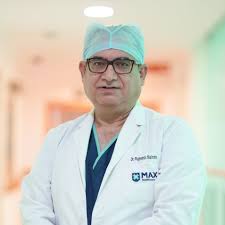


A persistent cough that does not improve, recurring chest infections, difficulty swallowing, or unexplained chest discomfort can leave anyone feeling concerned. While these symptoms may result from common conditions, some can indicate problems affecting the lungs, oesophagus, or other structures within the chest. When medication or other treatments are insufficient, consulting a specialist for thoracic surgery in Malviya Nagar may help determine whether a surgical procedure is appropriate.
Thoracic surgery focuses on conditions affecting organs and structures within the chest, particularly the lungs, oesophagus, chest wall, and mediastinum, which is the area between the lungs. The treatment approach depends on the underlying diagnosis, the severity of the condition, and the patient's overall health.
Not every chest-related problem requires an operation. However, certain diseases may benefit from surgical evaluation when they cause persistent symptoms, complications, or significant changes in organ function.
Thoracic surgeons may treat selected lung conditions, including suspicious lung nodules, certain lung cancers, damaged lung tissue, and complications associated with severe lung disease.
For example, a lung nodule discovered during a scan may require further investigation. Depending on its appearance, size, growth, and the patient's risk factors, the medical team may recommend repeat imaging, a biopsy, or surgical removal. Surgery is not automatically necessary for every lung nodule.
The pleura is the thin membrane surrounding the lungs. Conditions affecting this membrane may include recurrent fluid accumulation, infections, and pneumothorax, which occurs when air collects around the lung and causes it to collapse partially or completely.
Treatment depends on the cause and severity. Some patients require drainage procedures, while others may need thoracoscopic surgery or another specialised intervention.
The oesophagus carries food from the mouth to the stomach. Certain disorders, including selected oesophageal cancers, structural abnormalities, and severe complications of reflux disease, may require surgical treatment.
Patients experiencing persistent difficulty swallowing, unexplained weight loss, or ongoing pain while eating should seek medical assessment rather than assuming the symptoms are caused by acidity.
Some abnormalities affecting the ribs, chest wall, or surrounding tissues may require surgical correction. Depending on the condition, treatment may address structural problems, remove abnormal tissue, or repair injuries.
The mediastinum contains important structures, including the heart, major blood vessels, trachea, and oesophagus. Certain cysts, tumours, and other abnormalities in this area may require biopsy, monitoring, or surgical removal.
Patients seeking thoracic surgery in Malviya Nagar may be assessed for different procedures depending on their diagnosis.
Video-assisted thoracoscopic surgery (VATS) is a minimally invasive technique that uses a camera and specialised instruments inserted through small incisions in the chest. It may be used for selected lung, pleural, and other thoracic conditions.
Lung resection involves removing a portion of the lung or, in selected cases, an entire lung when medically indicated. The amount removed depends on the disease, its location, and the patient's lung function.
Oesophageal surgery may be recommended for specific diseases affecting the oesophagus, including certain cancers and severe structural problems.
Pleural procedures may help manage recurrent fluid accumulation, persistent air leaks, or other complications affecting the space around the lungs.
Open surgery may still be necessary for some complex conditions. The surgeon will explain which approach is suitable and why.
The diagnostic process usually starts with a review of symptoms, medical history, previous illnesses, smoking exposure, and current medications. A physical examination helps identify findings that require further investigation.
Depending on the suspected condition, tests may include:
Chest X-rays or CT scans to examine the lungs and chest structures.
Pulmonary function tests to assess breathing capacity.
Bronchoscopy to examine the airways when indicated.
Biopsy to investigate suspicious tissue.
Blood tests and other investigations to assess general health before treatment.
These results help the medical team evaluate the benefits and risks of surgery. In some cases, monitoring or non-surgical treatment may be the more appropriate choice.
Recovery depends on the procedure performed, the patient's lung function, and the presence of other medical conditions. Some patients need a longer hospital stay, while those undergoing minimally invasive procedures may recover more quickly.
After surgery, the care team may recommend breathing exercises, supported coughing, gradual walking, pain management, and follow-up imaging. These measures help support recovery and reduce the risk of complications.
Patients should follow instructions regarding wound care, medication, physical activity, and return to work. Sudden severe breathlessness, significant chest pain, coughing up substantial amounts of blood, or rapidly worsening symptoms require urgent medical attention.
When looking for thoracic surgery in Malviya Nagar, consider the surgeon's qualifications, experience with your specific condition, diagnostic facilities, and access to specialised anaesthesia, intensive care, and postoperative support.
Ask whether minimally invasive surgery is suitable, what alternatives are available, what risks may arise, and how long recovery is likely to take. Understanding the treatment plan can make an unfamiliar medical process easier to navigate.
No. Many lung conditions respond to medication, respiratory therapy, or observation. Surgery is considered when the diagnosis and clinical circumstances justify it.
Minimally invasive techniques may reduce incision size and support faster recovery in suitable patients. However, open surgery may be necessary for certain complex conditions.
A consultation may be appropriate if investigations reveal a suspicious lung lesion, recurrent pleural problems, an oesophageal condition requiring surgery, or another significant chest abnormality.
Seeking timely advice about thoracic surgery in Malviya Nagar can help patients understand chest-related conditions and explore suitable treatment options. With an accurate diagnosis, an individualised surgical plan when necessary, and appropriate follow-up, patients can approach treatment with greater clarity and confidence.
| Tags: | #Thoracic Surgery in Chattarpur, # Thoracic Surgery in Green Park, # Thoracic Surgery in Greater Kailash, # Thoracic Surgery in Panchsheel Park |