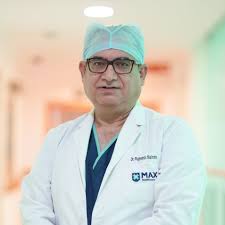


Climbing a flight of stairs should not leave you unusually breathless, and persistent chest discomfort or unexplained fatigue should never be ignored. Although these symptoms can occur for several reasons, they may sometimes indicate an underlying cardiovascular condition that needs medical evaluation. Consulting a qualified cardiovascular surgeon in Saket can help patients understand their diagnosis and determine whether surgical treatment may be necessary.
Cardiovascular health depends on the heart and the network of blood vessels that supply oxygen and nutrients throughout the body. When these structures are affected by disease, blood circulation may become less efficient, potentially impacting everyday activities and overall well-being. Early assessment can help identify the problem and guide appropriate treatment.
A cardiovascular surgeon specialises in surgical procedures involving the heart and certain major blood vessels. Depending on their training and clinical focus, they may manage complex conditions that require specialised surgical expertise.
Some conditions that may require evaluation include:
Coronary artery disease: Narrowing or blockage of the arteries supplying blood to the heart muscle.
Heart valve disease: Problems that prevent the heart valves from opening or closing properly.
Aortic disorders: Conditions affecting the aorta, including certain aneurysms.
Peripheral vascular conditions: Selected blood vessel problems that affect circulation in the limbs.
Structural heart abnormalities: Conditions involving the heart's structure that may require surgical correction.
Advanced heart failure: Severe heart dysfunction that may require specialised interventions.
Not every cardiovascular condition requires surgery. Medication, lifestyle changes, catheter-based procedures, or regular monitoring may be appropriate, depending on the diagnosis.
Cardiovascular diseases do not always produce obvious symptoms in their early stages. However, certain changes should prompt a medical consultation, particularly when they are persistent or worsening.
Pressure, tightness, or discomfort in the chest may be associated with reduced blood flow to the heart. Breathlessness during routine activities can also occur in people with cardiovascular problems, including certain valve disorders and heart failure.
Sudden chest pressure, severe breathlessness, cold sweating, or fainting may indicate a medical emergency. Seek emergency care rather than waiting for a routine appointment.
Pain or cramping in the legs during walking that improves with rest may suggest peripheral artery disease. This condition develops when blood flow to the limbs becomes restricted. A vascular assessment can help determine the cause and whether treatment is required.
Swelling in the legs, reduced exercise tolerance, and persistent tiredness can occur with several medical conditions, including heart problems. These symptoms are not specific to cardiovascular disease, so a proper examination is important before reaching conclusions.
Patients consulting a cardiovascular surgeon in Saket may undergo an assessment to identify the most suitable treatment approach.
Coronary artery bypass grafting may be recommended for selected patients with significant coronary artery disease. The procedure creates an alternative route for blood to reach the heart muscle, bypassing affected sections of the coronary arteries.
When a valve becomes significantly narrowed or leaky, it can affect the heart's ability to pump blood efficiently. Depending on the condition, the surgeon may recommend repairing the valve, replacing it, or considering a suitable catheter-based alternative.
Certain aortic aneurysms and other serious aortic conditions may require surgical repair. Treatment decisions depend on factors such as the location and size of the abnormality, its rate of growth, and the patient's overall health.
When circulation problems affect the limbs or other blood vessels, selected patients may benefit from angioplasty, stenting, or bypass surgery. The appropriate procedure depends on the location and severity of the blockage.
The evaluation usually begins with a review of symptoms, medical history, medications, family history, and risk factors such as diabetes, smoking, high blood pressure, and high cholesterol.
Depending on the suspected problem, the medical team may recommend an electrocardiogram (ECG), echocardiogram, blood tests, stress testing, Doppler ultrasound, coronary angiography, or CT imaging.
These investigations help establish the diagnosis and assess the severity of the condition. Patients should also discuss whether treatment can begin with medication or whether a procedure offers a meaningful advantage.
Recovery varies depending on the treatment received. Major heart surgery may involve a hospital stay, wound care, gradual physical activity, and supervised cardiac rehabilitation. Less invasive procedures may allow a shorter recovery period, although follow-up remains important.
Patients are generally encouraged to take prescribed medication consistently, follow dietary recommendations, avoid tobacco, remain physically active within medical guidance, and manage conditions such as diabetes and hypertension.
Cardiac rehabilitation can support recovery by helping patients rebuild stamina, understand their risk factors, and develop sustainable heart-healthy habits.
When selecting a cardiovascular surgeon in Saket, consider professional qualifications, experience with your particular condition, hospital facilities, intensive care support, and access to diagnostic and rehabilitation services.
Ask questions about the expected benefits, possible complications, alternative treatments, estimated recovery time, and follow-up requirements. A good consultation should leave you with a clear understanding of your condition and the reasons behind the recommended treatment.
A cardiologist primarily diagnoses and manages heart conditions through medication and non-surgical procedures. A cardiovascular surgeon performs operations involving the heart and certain major blood vessels.
No. Depending on the location and severity of the blockage, treatment may involve medication, lifestyle changes, angioplasty, stenting, or bypass surgery.
Seek medical advice for persistent chest discomfort, unexplained breathlessness, reduced exercise tolerance, or symptoms suggesting poor circulation. Sudden or severe symptoms require emergency assessment.
Finding the right cardiovascular surgeon in Saket begins with an accurate diagnosis and an understanding of your available treatment options. Timely medical evaluation, personalised care, and consistent follow-up can help patients manage cardiovascular conditions and make informed decisions about their long-term health.
| Tags: | #Cardiovascular Surgeon in Chattarpur, # Cardiovascular Surgeon in Green Park, # Cardiovascular Surgeon in Greater Kailash, # Cardiovascular Surgeon in Panchsheel Park |