

A person notices that their legs hurt whenever they walk. Another develops swelling in one leg. Someone else has a wound on their foot that simply refuses to heal.
These problems are easy to blame on age, tiredness, or poor circulation. But sometimes they point to a blood vessel problem that needs proper medical attention. That is where a vascular surgeon can make a real difference.
A vascular surgeon deals with conditions affecting the body's blood vessels, particularly arteries and veins outside the heart and brain.
This can include peripheral artery disease, blocked arteries, aneurysms, varicose veins, blood-flow problems, and certain vascular emergencies.
Treatment doesn't always mean open surgery. Depending on the condition, treatment may involve medicines, lifestyle changes, minimally invasive procedures, or surgery.
Pain or cramping in the calves, thighs, or hips that repeatedly appears while walking and improves with rest can sometimes be a sign of peripheral artery disease.
Don't simply assume it's normal ageing. Reduced blood flow deserves proper evaluation.
A small cut or ulcer that takes unusually long to heal deserves attention, particularly in people with diabetes or known circulation problems.
Poor blood flow can make healing difficult and increase the risk of complications.
Unexpected swelling, especially when accompanied by pain, warmth, or skin changes, should be medically assessed promptly.
Some vascular conditions require urgent treatment, so it is better not to self-diagnose the problem.
If an imaging test identifies an aneurysm or significant narrowing of an artery, a vascular surgeon may be asked to assess whether monitoring, medication, an endovascular procedure, or surgery is appropriate.
This is one of the most important things patients should understand.
A vascular surgeon doesn't automatically mean an operation. Depending on the condition, treatment may include controlling blood pressure and cholesterol, stopping tobacco use, managing diabetes, exercise, medication, or minimally invasive treatment.
Surgery is considered when it offers a meaningful benefit and is appropriate for the individual patient.
Many people wait until a circulation problem becomes painful before seeking help.
That's not always a good strategy.
A recurring symptom may be an early warning rather than something harmless. Identifying a vascular problem earlier can give doctors more opportunities to manage risk factors and prevent the condition from becoming more serious.
Imagine someone who develops calf pain after walking a certain distance. They assume it's muscle strain and start reducing their daily walking.
Weeks later, the problem continues. Instead of simply treating it as a muscle issue, the patient gets evaluated for circulation problems. The assessment identifies reduced arterial blood flow, allowing the medical team to discuss appropriate treatment before the condition progresses.
The lesson is simple: repeated symptoms deserve an explanation, not just a painkiller.
The American Heart Association's 2024 Heart Disease and Stroke Statistics reported that approximately 6.5 million people aged 40 and older in the United States have peripheral artery disease, based on population estimates. The same report notes that PAD becomes more common with increasing age.
While these figures are from U.S. data, they highlight an important point: circulation problems are far from rare, and many people may overlook their symptoms.
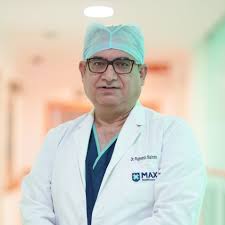
Dr. Rajneesh Malhotra is a cardiothoracic and cardiovascular surgeon whose name may come up when patients research specialists for complex cardiovascular and vascular surgical care. Anyone considering vascular treatment should have their specific condition assessed carefully and discuss the available medical, minimally invasive, and surgical options with their treating team.
Vascular surgeons manage conditions involving blood vessels, including peripheral artery disease, aneurysms, arterial blockages, and certain vein-related problems.
No. Some blockages can be managed with medication, lifestyle changes, or minimally invasive procedures. Surgery depends on the location, severity, symptoms, and overall health of the patient.
Leg pain while walking, cold feet, numbness, changes in skin colour, weak pulses, and wounds that heal slowly can be warning signs. Persistent or worsening symptoms should be evaluated by a medical professional.
Vascular problems can be easy to overlook because the first symptoms may seem minor. Persistent leg pain, unusual swelling, or wounds that don't heal deserve more than guesswork.
If you're considering vascular surgery in Vasant Kunj, look for a surgeon who can explain the cause of your vascular problem and discuss all reasonable treatment options—not someone who treats surgery as the automatic answer.
If you have persistent symptoms or have already been diagnosed with a vascular condition, arrange a specialist consultation and take your previous scans, reports, and medication details with you.
| Tags: | #Vascular Surgery in Green Park, # Vascular Surgery in Katwaria Sarai, # Vascular Surgery in Panchsheel Park, # Vascular Surgery in Pushp Vihar |