

| Category | Aortic Valve Repair and Replacement |
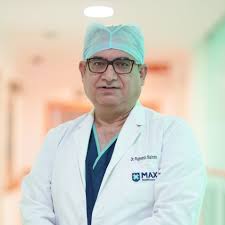
Aortic Valve Replacement & Repair is an advanced cardiac procedure performed to treat diseases affecting the aortic valve — one of the heart’s most important valves responsible for controlling blood flow from the heart to the body. When the aortic valve becomes narrowed, damaged, stiff, or leaky, it can severely affect heart function and blood circulation, leading to serious complications if left untreated. Under the expert care of Dr. Rajneesh Malhotra, advanced aortic valve surgeries are performed using modern surgical technology, minimally invasive techniques, and comprehensive cardiac care.
With over 33 years of excellence in Cardio Thoracic & Vascular Surgery (CTVS), Dr. Rajneesh Malhotra is widely recognized for performing highly complex heart surgeries, minimally invasive cardiac procedures, robotic heart surgery, valve replacement and repair surgeries, and advanced cardiovascular treatments with exceptional precision and successful patient outcomes.
Currently serving as the Chairman & Head – CTVS, Cardiac Sciences, Cardiac Surgery (CTVS) & Robotic Surgery at Max Super Speciality Hospital, Dr. Rajneesh Malhotra specializes in aortic valve replacement and repair, minimally invasive valve surgery, coronary artery bypass grafting (CABG), robotic cardiac surgery, heart transplantation, ECMO therapy, LVAD implantation, and high-risk cardiovascular procedures.
The aortic valve is responsible for allowing oxygen-rich blood to flow from the heart’s left ventricle into the aorta and throughout the body. When the valve does not function properly, the heart has to work harder to maintain blood circulation.
The two major types of aortic valve disease include:
This occurs when the valve becomes narrowed or stiff, restricting blood flow from the heart to the body.
This occurs when the valve does not close properly, causing blood to leak backward into the heart.
If left untreated, these conditions can lead to heart enlargement, heart failure, arrhythmias, and other serious cardiovascular complications.
Patients with aortic valve disorders may experience:
Early diagnosis and timely treatment are essential to prevent worsening heart function and long-term complications.
Dr. Rajneesh Malhotra provides comprehensive evaluation and personalized treatment plans for patients with aortic valve disease. Depending on the severity of the condition, the valve may either be repaired or replaced.
Whenever possible, repairing the natural valve is preferred to preserve normal heart function and reduce long-term complications.
In severely damaged valves, replacement may be required using either:
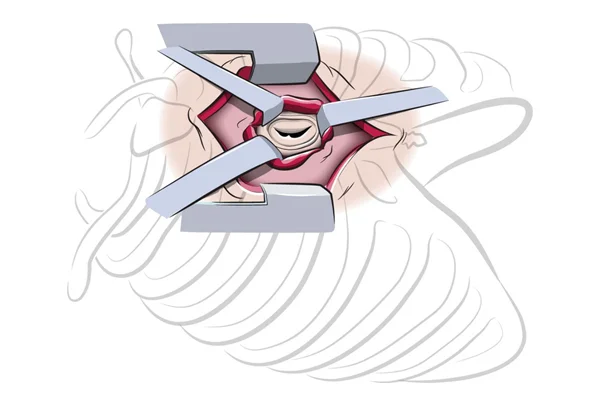
Advanced minimally invasive techniques allow valve procedures to be performed through smaller incisions, resulting in reduced pain, faster recovery, and minimal scarring.
Advanced valve procedures offer several important benefits, including:
Dr. Rajneesh Malhotra provides comprehensive valve disease management involving advanced diagnostics, detailed cardiac imaging, surgical planning, minimally invasive procedures, ICU monitoring, rehabilitation, and long-term follow-up care.
The treatment approach focuses on:
Dr. Rajneesh Malhotra possesses extensive national and international training in advanced valve surgery, minimally invasive cardiac procedures, robotic heart surgery, and complex cardiovascular treatments. His expertise enables him to successfully manage high-risk valve disorders with exceptional surgical precision.
His areas of specialization include:
At Max Super Speciality Hospital, aortic valve procedures are supported by advanced operation theatres, sophisticated cardiac imaging systems, modern cardiac ICUs, and state-of-the-art surgical technology. Patients receive world-class cardiac care through evidence-based treatment strategies and advanced surgical innovation.
The focus remains on:
Aortic valve replacement and repair are surgical procedures performed to treat damaged or diseased aortic valves that affect normal blood flow from the heart.
Aortic valve disease may occur due to aging, congenital defects, calcium buildup, infections, rheumatic fever, or degenerative heart conditions.
Common symptoms include chest pain, breathlessness, fatigue, dizziness, fainting, palpitations, and reduced exercise tolerance.
Valve replacement is recommended when the valve becomes severely damaged, narrowed, or leaky and cannot be effectively repaired.
Minimally invasive surgery offers smaller incisions, less pain, reduced blood loss, shorter hospital stay, faster recovery, and minimal scarring.
Yes, advanced aortic valve procedures are considered safe and effective when performed by experienced cardiac surgeons using modern surgical technology.
Recovery varies depending on the patient’s condition and type of procedure performed, but minimally invasive approaches generally allow faster recovery compared to traditional surgery.
Dr. Rajneesh Malhotra is one of India’s leading cardiac surgeons with extensive expertise in valve replacement and repair, minimally invasive cardiac surgery, robotic procedures, and advanced cardiovascular care, offering comprehensive and patient-focused treatment for complex heart valve diseases.