

| Category | Treatment of Atrial Septal Defects |
Treatment of Atrial Septal Defects (ASD) focuses on correcting a congenital heart condition in which there is an abnormal opening in the wall (septum) separating the upper chambers of the heart, known as the atria. This opening allows oxygen-rich and oxygen-poor blood to mix, placing extra workload on the heart and lungs over time. If left untreated, ASD can lead to complications such as heart enlargement, irregular heartbeat, pulmonary hypertension, heart failure, or stroke. Under the expert care of Dr. Rajneesh Malhotra, advanced ASD treatment is provided using modern cardiac techniques, minimally invasive procedures, and comprehensive patient-centered care.
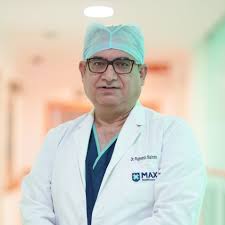
With over 33 years of excellence in Cardio Thoracic & Vascular Surgery (CTVS), Dr. Rajneesh Malhotra is widely recognized for treating complex congenital and adult cardiac conditions with exceptional precision and successful outcomes. Currently serving as the Chairman & Head – CTVS, Cardiac Sciences, Cardiac Surgery (CTVS) & Robotic Surgery at Max Super Speciality Hospital, he specializes in congenital heart defect correction, minimally invasive cardiac surgery, robotic heart surgery, valve repair and replacement, coronary artery bypass surgery, heart transplantation, and advanced cardiovascular treatments.
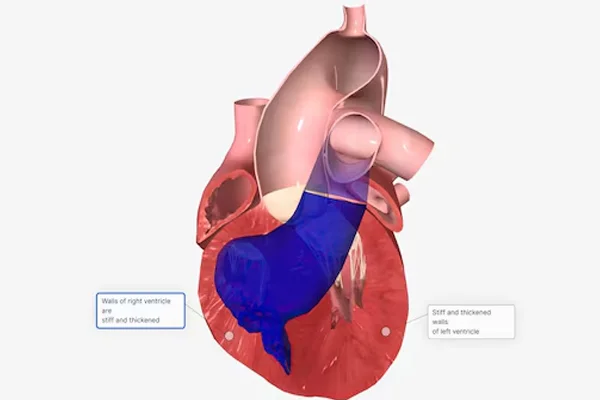
An Atrial Septal Defect (ASD) is a congenital heart defect present from birth in which a hole develops in the wall separating the right and left upper chambers of the heart. Due to this opening, blood flows abnormally between the atria, causing excess blood circulation to the lungs and increased strain on the heart.
Small ASDs may not cause symptoms initially, but larger defects can eventually lead to serious heart and lung complications if not treated in time.
Some patients with ASD may remain symptom-free during childhood, while others may develop symptoms gradually over time. Common symptoms include:
Timely diagnosis and treatment are important to prevent long-term cardiac complications.
ASD is primarily a congenital condition, meaning it develops before birth during heart formation. In many cases, the exact cause is unknown, although genetic and developmental factors may contribute to the condition.
Dr. Rajneesh Malhotra performs detailed cardiac evaluation using advanced diagnostic technology to accurately assess the size, type, and severity of the defect.
Diagnostic investigations may include:
Treatment for ASD depends on the size of the defect, symptoms, patient age, and overall heart condition. Dr. Rajneesh Malhotra provides comprehensive treatment plans tailored to each patient’s condition.
Treatment options may include:
Small incisions and advanced surgical techniques are used to repair the defect with reduced surgical trauma and faster recovery.
Larger or complex defects may require open or minimally invasive cardiac surgery to close the abnormal opening safely and effectively.
In selected cases, a specialized closure device may be inserted through a catheter to close the defect without major surgery.
Timely treatment of ASD offers several important benefits, including:
Dr. Rajneesh Malhotra possesses extensive national and international training in congenital heart defect correction, minimally invasive cardiac surgery, robotic cardiac procedures, and advanced cardiovascular treatments. His expertise enables him to manage simple as well as highly complex congenital heart conditions with exceptional surgical precision.
His areas of specialization include:
At Max Super Speciality Hospital, ASD treatment is supported by advanced operation theatres, sophisticated cardiac imaging systems, modern ICUs, and state-of-the-art minimally invasive surgical technology. Patients receive world-class cardiac care through evidence-based treatment strategies and advanced surgical innovation.
The focus remains on:
An ASD is a congenital heart defect in which there is an opening in the wall separating the upper chambers of the heart, allowing abnormal blood flow between the atria.
Yes, if left untreated, ASD can lead to complications such as heart enlargement, pulmonary hypertension, irregular heartbeat, heart failure, or stroke over time.
Symptoms may include shortness of breath, fatigue, frequent chest infections, irregular heartbeat, chest discomfort, reduced exercise tolerance, and swelling in the legs.
ASD is diagnosed through cardiac evaluations such as echocardiography, ECG, chest X-rays, cardiac CT scans, MRI, and other advanced imaging tests.
Yes, certain ASDs can be treated using catheter-based closure procedures or minimally invasive surgical techniques depending on the size and type of the defect.
Yes, minimally invasive ASD repair is considered safe and effective when performed by experienced cardiac surgeons using advanced surgical technology.
Treatment improves heart function, reduces strain on the lungs, prevents long-term complications, improves exercise capacity, and enhances overall quality of life.
Dr. Rajneesh Malhotra is one of India’s leading cardiac surgeons with extensive expertise in congenital heart defect correction, minimally invasive cardiac surgery, robotic procedures, and advanced cardiovascular care, offering comprehensive and patient-focused treatment for ASD.