

| Category | Robotic Cardiac Surgery |
Robotic Cardiac Surgery is an advanced and minimally invasive heart surgery technique performed using highly sophisticated robotic technology that allows surgeons to operate with exceptional precision, flexibility, and control. Unlike traditional open-heart surgery, robotic cardiac surgery is performed through very small incisions using robotic-assisted instruments and high-definition 3D visualization systems. This modern surgical approach helps reduce surgical trauma, minimize pain, shorten hospital stay, and promote faster recovery for patients suffering from various cardiac conditions.
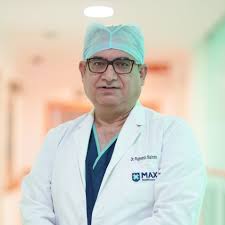
Under the expert leadership of Dr. Rajneesh Malhotra, robotic cardiac surgery is performed using advanced surgical technology, evidence-based treatment protocols, and personalized cardiac care. With more than 33 years of experience in Cardio Thoracic & Vascular Surgery (CTVS), Dr. Rajneesh Malhotra is widely recognized for managing complex heart diseases through minimally invasive and robotic-assisted cardiac procedures with outstanding surgical precision and patient outcomes.
Currently serving as the Chairman & Head – CTVS, Cardiac Sciences, Cardiac Surgery (CTVS) & Robotic Surgery at Max Super Speciality Hospital, Dr. Rajneesh Malhotra specializes in robotic heart surgery, minimally invasive cardiac surgery, coronary artery bypass grafting (CABG), valve repair and replacement, heart transplantation, ECMO therapy, LVAD implantation, and high-risk cardiovascular treatments.
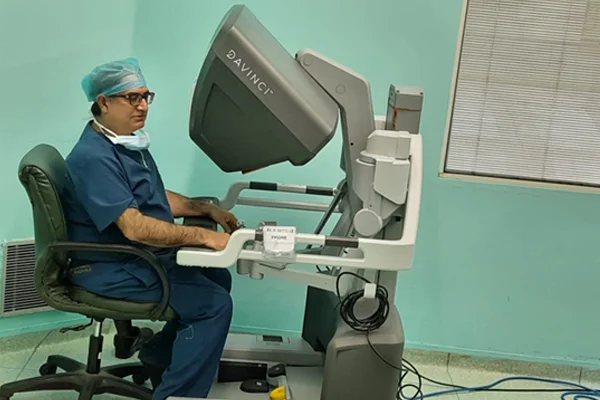
Robotic cardiac surgery is a minimally invasive surgical procedure in which the surgeon controls advanced robotic instruments through a computerized console. The robotic system provides enhanced visualization, highly precise movements, and superior access to delicate cardiac structures during surgery.
The procedure is performed through small keyhole incisions instead of a large chest incision used in conventional open-heart surgery. Specialized robotic arms equipped with miniature surgical instruments allow the surgeon to perform complex heart procedures with enhanced accuracy and minimal disruption to surrounding tissues.
Robotic cardiac surgery may be recommended for various heart conditions, including:
Robotic-assisted heart surgery offers several advantages over traditional open-heart surgery, including:
Dr. Rajneesh Malhotra provides comprehensive robotic cardiac care involving advanced diagnostics, detailed surgical planning, minimally invasive procedures, intensive post-operative monitoring, and long-term cardiac rehabilitation. Every treatment plan is personalized according to the patient’s cardiac condition, overall health status, and surgical requirements.
The treatment approach focuses on:
Dr. Rajneesh Malhotra has received specialized international training in Da Vinci Robotic Cardiac Surgery from Ohio State University, USA, along with advanced training in minimally invasive cardiac surgery and beating heart procedures from internationally reputed institutions.
His expertise includes:
His vast surgical experience and internationally recognized training enable him to manage highly complex cardiovascular conditions with exceptional precision and surgical excellence.
At Max Super Speciality Hospital, robotic cardiac surgery is supported by advanced operation theatres, high-definition robotic systems, modern cardiac ICUs, and sophisticated monitoring technology. The hospital provides world-class infrastructure for performing complex minimally invasive and robotic-assisted cardiac procedures safely and effectively.
The focus remains on:
Robotic cardiac surgery is a minimally invasive heart surgery performed using advanced robotic systems controlled by an experienced cardiac surgeon. It allows highly precise surgery through small incisions.
Unlike traditional surgery, robotic cardiac surgery uses small keyhole incisions instead of a large chest incision. This usually results in less pain, reduced blood loss, faster recovery, and minimal scarring.
Yes, robotic cardiac surgery is considered safe when performed by experienced cardiac surgeons using advanced surgical systems and proper patient selection.
The benefits include smaller incisions, less pain, shorter hospital stay, quicker recovery, reduced infection risk, minimal scarring, and improved surgical precision.
Patients with certain valve disorders, coronary artery disease, congenital heart defects, atrial septal defects, or selected cardiac conditions may be suitable candidates for robotic-assisted procedures.
Recovery time varies depending on the patient’s condition and type of procedure performed. However, recovery is generally faster compared to traditional open-heart surgery.
No, the robotic system does not operate independently. The surgeon controls every movement of the robotic instruments throughout the procedure with advanced precision and accuracy.
Dr. Rajneesh Malhotra is one of India’s leading robotic and minimally invasive cardiac surgeons with extensive international training and over three decades of experience in complex cardiac procedures, advanced heart surgery, and patient-focused cardiovascular care.